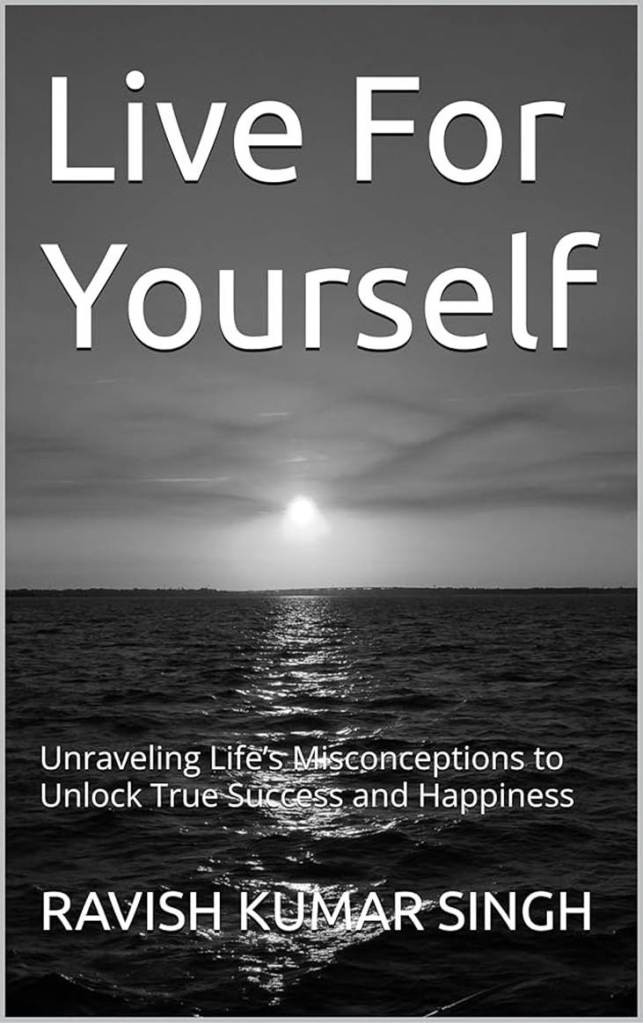
Live for Yourself by Ravish Kumar Singh, A debut Novel
This is Ravish Kumar Singh’s first book, and it arrives with a sense of measured confidence. Rather than leaning on loud motivation or dramatic promises, the author adopts a restrained and reflective approach. From its opening pages, Live for Yourself reads like a considered conversation, inviting the reader to slow down and look inward.
The book opens on a familiar yet often unspoken feeling. The sense of living by instructions written by someone else. Life appears orderly, responsible, and socially approved, yet something essential remains unheard. It is within this quiet dissonance that Live for Yourself finds its footing, drawing readers in not through forceful persuasion, but through thoughtful reflection.
A Promise Rooted in Inner Freedom
At its core, Live for Yourself makes a quiet yet profound promise. It envisions a life where choices arise from internal desire rather than external demand, where happiness is shaped in the intimate workshop of self-awareness, and where freedom is not a distant ideal but a lived, daily reality. From the very beginning, the book urges readers to step out of confined circles, to stop measuring their lives against how others live, and to recognize that freedom cannot exist on borrowed terms.
Questioning the Scripts We Inherit
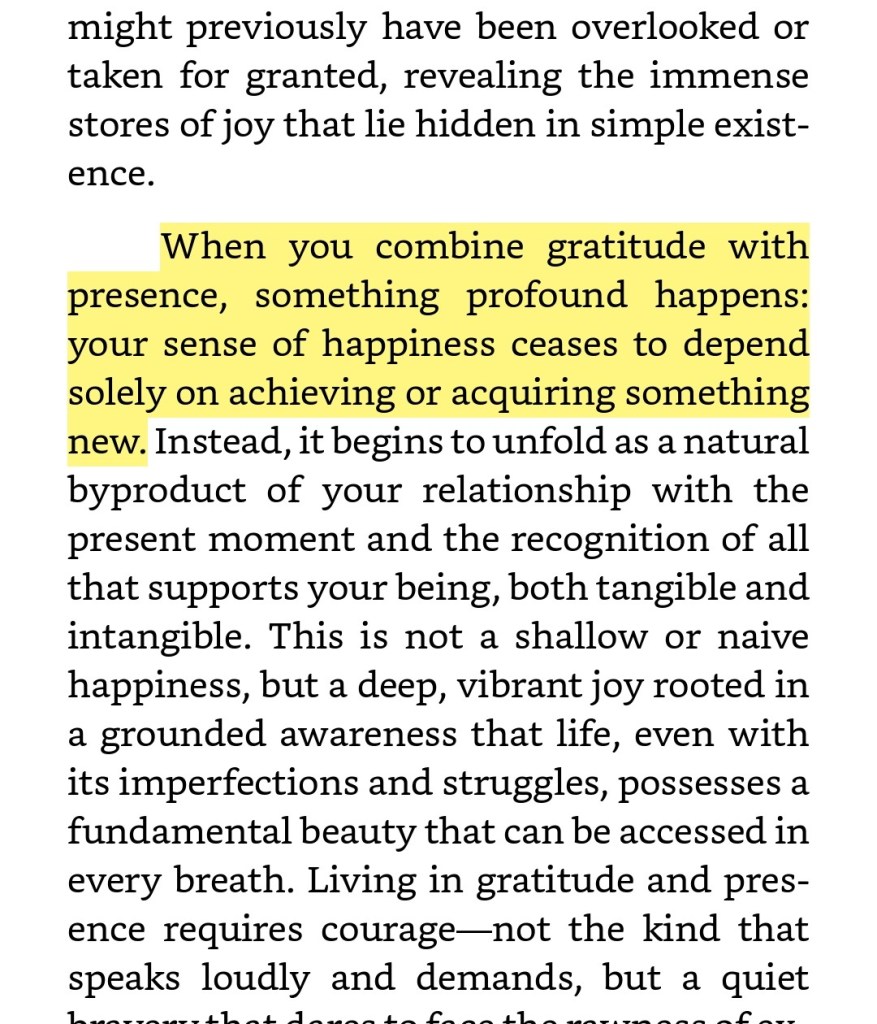
One of the book’s central strengths lies in how it examines societal conditioning. Inherited beliefs often present themselves as unquestionable truths, reinforced by phrases like “This is how life works” or “This is what people do.” Repeated often enough, these ideas settle into our minds as silent commandments. The author carefully unpacks how such norms steer our responsibilities, subtly teaching us to suppress individual thought in favor of social approval.
The familiar checklist of life is addressed with clarity: graduate, land the right job, marry, buy a house, raise children, succeed materially, and only then earn the right to feel happy. Live for Yourself challenges this delayed permission to live and asks readers to reflect on why happiness is treated as an indulgence rather than a fundamental human need.
The Myth of Self-Sacrifice
A standout theme in the book is its exploration of the myth of self-sacrifice. Often glorified in culture through the archetype of the tireless hero or lone genius, total sacrifice is praised while alternative narratives of balance, joy, and interconnectedness are overlooked. The author draws a crucial distinction between sacrifice as a conscious choice and sacrifice as compulsion. Through reflection, readers are encouraged to identify moments when giving felt aligned versus moments when it stemmed from fear, guilt, or expectation.
This honesty can feel uncomfortable at first. Familiar frameworks are dismantled, vulnerabilities exposed, and long-held assumptions questioned. Yet it is precisely this discomfort that opens the door to deeper self-understanding.
Journaling, Awareness, and Everyday Practice
Rather than remaining purely philosophical, the book translates insight into practice. Strong emphasis is placed on journaling and mindful observation. Writing is framed not as record-keeping, but as a dialogue with the self. Through reflective exercises, readers explore personal goals, emotional patterns, and moments of resistance. Journaling becomes a way to uncover what lies beneath surface thoughts and to imagine a life where happiness is integrated, not postponed.
The author frequently returns to the idea of life moving in ebbs and flows. Fulfillment is not linear, and setbacks are not failures but moments of recalibration. When happiness is understood as a present state, independent of external outcomes, disappointment loses its power to shatter and instead becomes an opportunity to realign.
Boundaries, Relationships, and the Courage to Say No
The book also speaks directly about boundaries. In many social settings, taking care of oneself is quickly labeled selfish. Singh challenges this narrative, explaining why self-consideration must be normalized rather than suppressed. Saying no is reframed as an act of self-respect.
In relationships, the author emphasizes discernment. Knowing which truths to share, how to share them, and when to hold space for oneself becomes essential. Relationships, the book argues, have the power either to nourish individuality or suffocate it if boundaries are ignored.
Style, Tone, and Readability
What makes Live for Yourself especially engaging is its poetic and grounded storytelling. Everyday moments, sensory awareness, and gentle metaphors anchor abstract ideas in lived experience. Vulnerability is treated as strength, and imperfection as a badge of authenticity. Authenticity here is not an abstract ideal but a vivid, lived reality.
Despite the depth of its themes, the book remains accessible. Examples are clear, language is reflective rather than overwhelming, and the tone feels conversational. This makes it a meaningful read not only for adults but also for teenagers who are beginning to form ideas about success, self-worth, and identity. The book’s focus on breaking comparison, unlearning people-pleasing, and honoring personal timelines can have a lasting impact on young readers.
What Readers Will Take Away
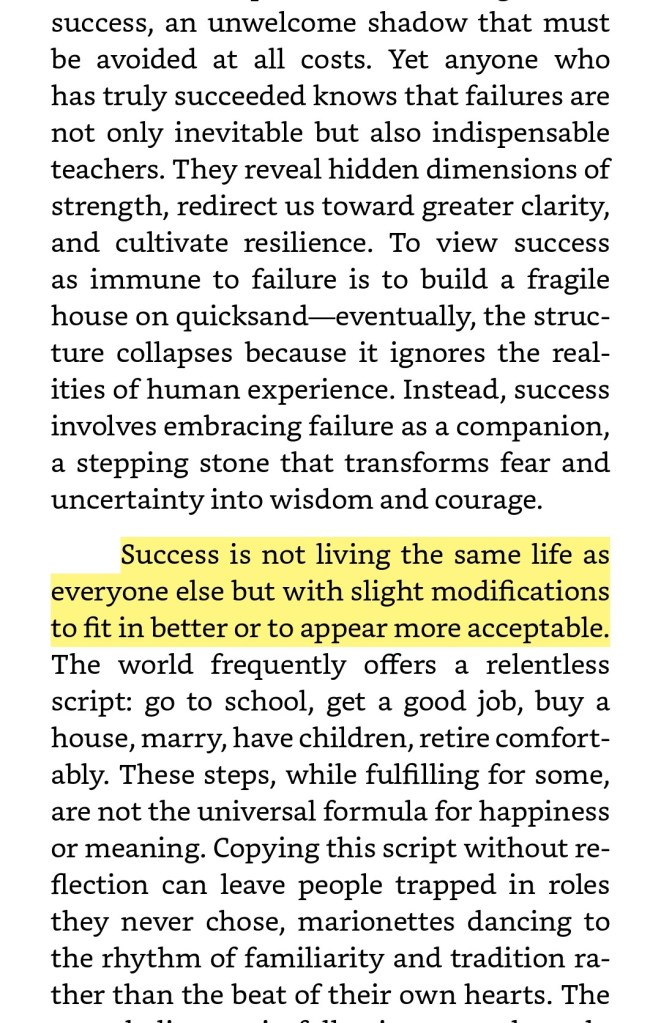
Readers come away with a renewed understanding that true success is deeply personal. It is not about living the same life as everyone else with slight modifications to fit in better. It is about self-acceptance, honoring one’s unique timeline, and choosing wholeness over achievement alone. Gratitude, presence, and self-trust emerge as everyday practices rather than distant goals.
Each morning, the book suggests, choosing yourself even imperfectly becomes a quiet revolution against limiting narratives.
Live for Yourself is a thoughtful, reflective debut that encourages readers to redefine success and happiness on their own terms. It does not advocate abandoning responsibility but reimagining it in a way that includes the self. For anyone seeking meaning beyond societal scripts, this book offers clarity, courage, and a gentle push toward authentic living.
About the Author
Ravish Kumar Singh brings together the worlds of strategy, technology, and personal growth with ease. Trained as an IT professional and shaped by hands-on experience in business and entrepreneurship, his work reflects a strong grounding in real-world execution rather than theory alone.
Across his writing and digital presence, Ravish explores themes of growth, resilience, wealth creation, and personal transformation. He views success not as a matter of chance, but as something intentionally built through clarity of thought, calculated risk-taking, and disciplined action. This belief runs quietly through his work, encouraging readers to think expansively while staying rooted in practical decision-making.
When he is not writing or building ventures, Ravish shares insights on mindset, business, and modern success across digital platforms, engaging with audiences who are navigating change in an increasingly fast-paced world.
Here is the link to get the kindle edition: https://www.amazon.in/Live-Yourself-Unraveling-Misconceptions-Happiness-ebook/dp/B0GLNZS38S?ref_=ast_author_mpb
 Bookish Brewing
Leave a comment