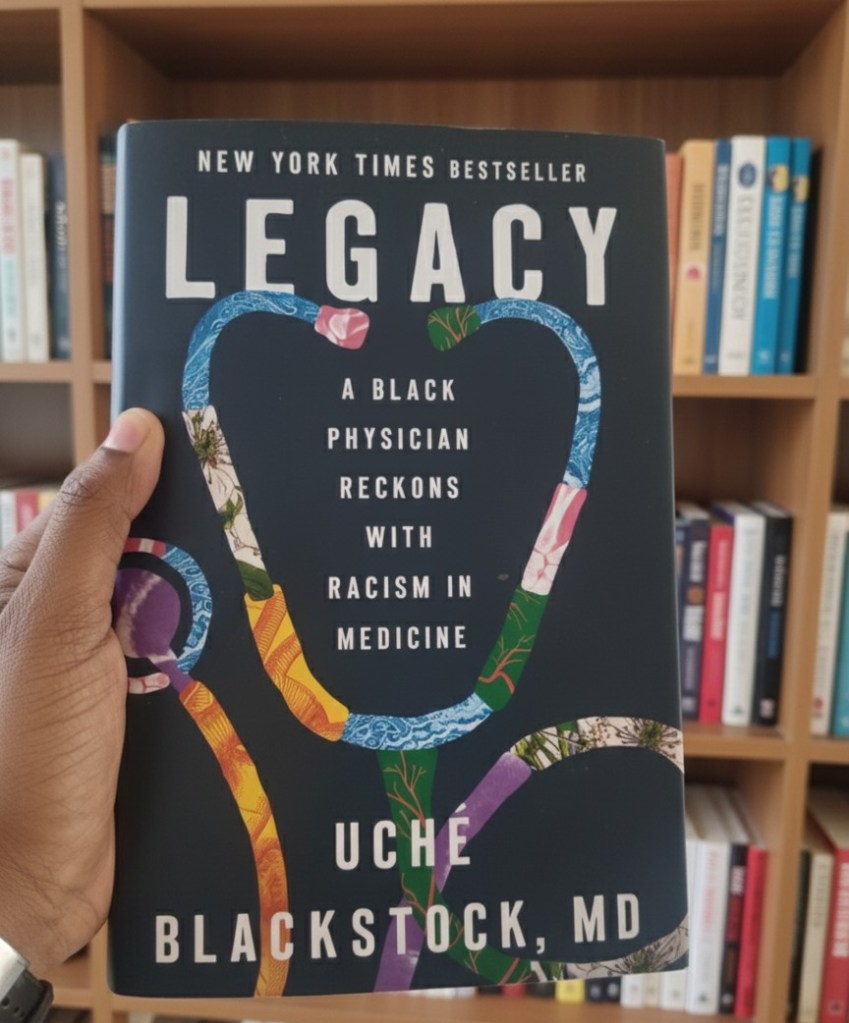
Some books don’t just tell a story — they hold up a mirror to society. Legacy: A Black Physician Reckons with Racism in Medicine by Dr. Uché Blackstock is one such book. It’s not merely a memoir; it’s a reflection of grief, resilience, and a relentless pursuit of justice within a system built on inequality. Reading this felt like stepping into a personal and historical reckoning — one woman’s journey that speaks for thousands of silenced voices in healthcare.
A Daughter’s Promise to Her Mother

From the very first pages, Dr. Blackstock brings readers into her world — one shaped by her late mother, Dr. Dale Gloria Blackstock. Her mother was among the few Black women physicians of her time, an extraordinary role model who broke barriers in medicine while raising twin daughters in Brooklyn. Her untimely death from leukemia became the defining wound and inspiration in Uché’s life.
That loss becomes the emotional foundation of Legacy. The word itself carries layered meaning — the legacy of her mother’s dream, the legacy of medicine as a profession, and the legacy of racism that still haunts it. When Uché and her twin sister Oni both attend Harvard Medical School, they’re not just fulfilling a dream — they’re continuing a lineage that represents hope, survival, and excellence in a space that often doubts them.
Inside the Medical System: Triumphs and Traumas
The memoir moves between memory and reflection. Through Uché’s eyes, we see what it means to be a Black woman navigating predominantly white academic spaces. Her years at Harvard are painted with both pride and pain. She celebrates achievements but never ignores the undercurrent of bias and microaggressions that shadowed her success. The book captures this duality beautifully, the thrill of belonging and the ache of never being fully accepted.
As she grows into her role as a doctor, Legacy becomes a firsthand account of how systemic racism seeps into healthcare. Dr. Blackstock recalls moments when her expertise was questioned, her judgment dismissed, or her compassion undervalued not because of her ability but because of her identity. Her voice is steady yet emotional as she recounts these experiences, blending the factual with the deeply personal.
One of the most powerful parts of the book is when she reflects on patient interactions. She sees how Black patients are often treated with skepticism, how their pain is doubted, and how socioeconomic barriers decide who gets care and who doesn’t. These stories are not distant case studies; they are the lived reality of communities pushed to the margins.
The Systemic Disease: Racism in Medicine
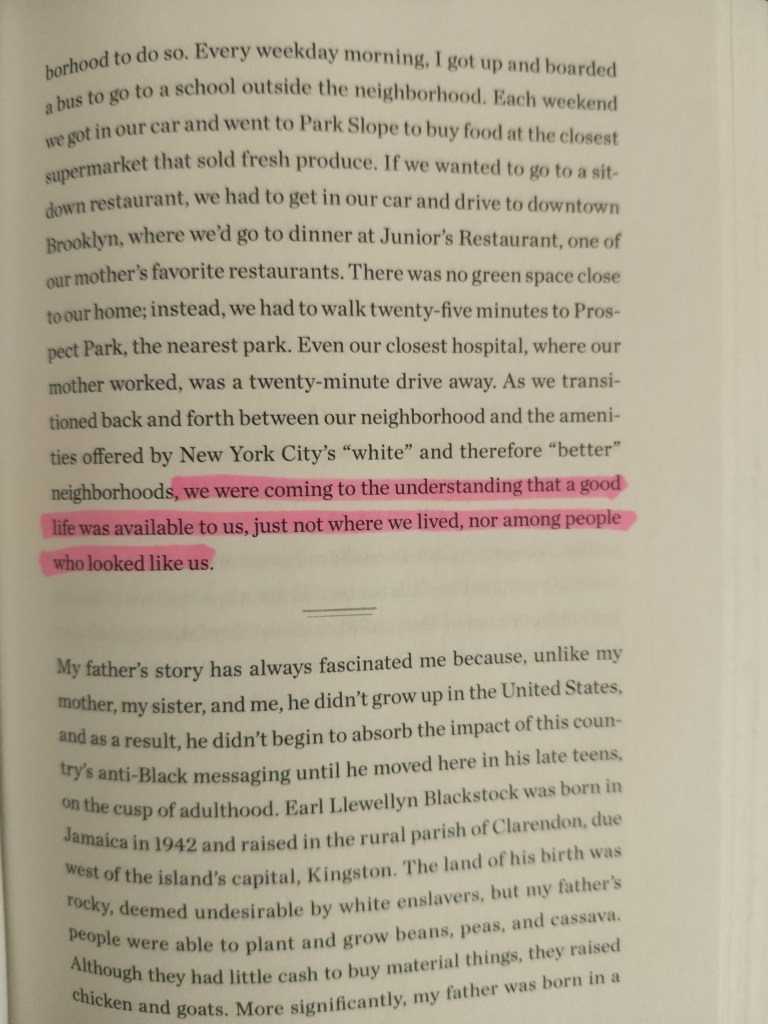
Beyond her personal experiences, Legacy lays bare the structural inequities in the American healthcare system. Dr. Blackstock doesn’t shy away from confronting the uncomfortable truths: the lack of diversity in leadership, the tokenism disguised as inclusion, and the emotional toll on physicians of color who are expected to be both healers and advocates.
She reflects on how medical education often overlooks cultural competence and perpetuates harmful stereotypes about race and health. Her time working in academic medicine reveals the limits of institutional diversity initiatives, where committees are formed and reports are written, yet meaningful change rarely follows.
What stands out is how she balances criticism with compassion. She doesn’t attack individuals; she challenges the system itself. She believes reform isn’t just possible — it’s necessary. The book becomes both testimony and roadmap, showing readers that acknowledging racism is only the first step; dismantling it requires persistence, empathy, and courage.
A Journey of Purpose and Power
Throughout the memoir, her twin sister Oni Blackstock remains a constant source of strength. Together, they represent solidarity and sisterhood — two women carrying forward their mother’s vision in their own ways. The emotional connection between them adds warmth and humanity to the narrative. Amid the pain, there’s love, laughter, and hope.
Dr. Blackstock’s journey eventually leads her to create Advancing Health Equity, an organization focused on combating racial bias in healthcare. This shift from doctor to advocate shows her evolution from healer of individuals to reformer of systems. She takes her grief and turns it into action, ensuring that her mother’s legacy becomes a living, breathing mission.
Writing Style and Tone
The strength of Legacy lies not only in what it says but in how it’s written. Dr. Blackstock’s prose is clear, empathetic, and intimate. She writes as though she’s having a heartfelt conversation — sometimes with her readers, sometimes with her late mother. The storytelling feels organic, flowing naturally between her past and present. She blends personal anecdotes with systemic analysis without losing emotional depth.
The tone is not bitter, but resolute. Even as she revisits painful memories, there’s an underlying current of hope — a belief that change, though slow, is still possible. This makes Legacy more than a memoir; it becomes a manifesto for accountability and compassion in medicine.
Themes That Resonate Beyond Medicine
While the book centers on healthcare, its themes extend far beyond hospital walls. It touches on motherhood, loss, resilience, and the universal desire to belong. Dr. Blackstock reminds readers that racism is not confined to one sector — it infiltrates every institution that shapes people’s lives. Her insights echo the urgency of the Black Lives Matter movement, reminding us that equality must be more than a slogan; it must be practiced.
For readers outside the medical field, Legacy still speaks volumes. It invites reflection — on privilege, on empathy, on how systems can be redesigned to serve everyone with dignity. It’s an emotional, intellectual, and moral experience rolled into one.
Legacy by Uché Blackstock is not an easy read, but it’s an essential one. It’s a story of a woman who turned personal loss into public purpose, who transformed pain into advocacy, and who continues to fight for a world where health equity isn’t a privilege but a right. It leaves readers with questions about justice, empathy, and what legacy we’re each leaving behind.
About the Author
Dr. Uché Blackstock is an American physician, educator, and advocate for racial equity in healthcare. A Harvard-trained doctor and daughter of the late Dr. Dale Gloria Blackstock, she founded Advancing Health Equity to address systemic racism in medicine. Her writing and public advocacy focus on creating fair, inclusive healthcare systems where every life is valued equally. Legacy is her debut memoir — a tribute to her mother’s influence and a bold call to action for justice in healthcare.
 Bookish Brewing
Leave a comment