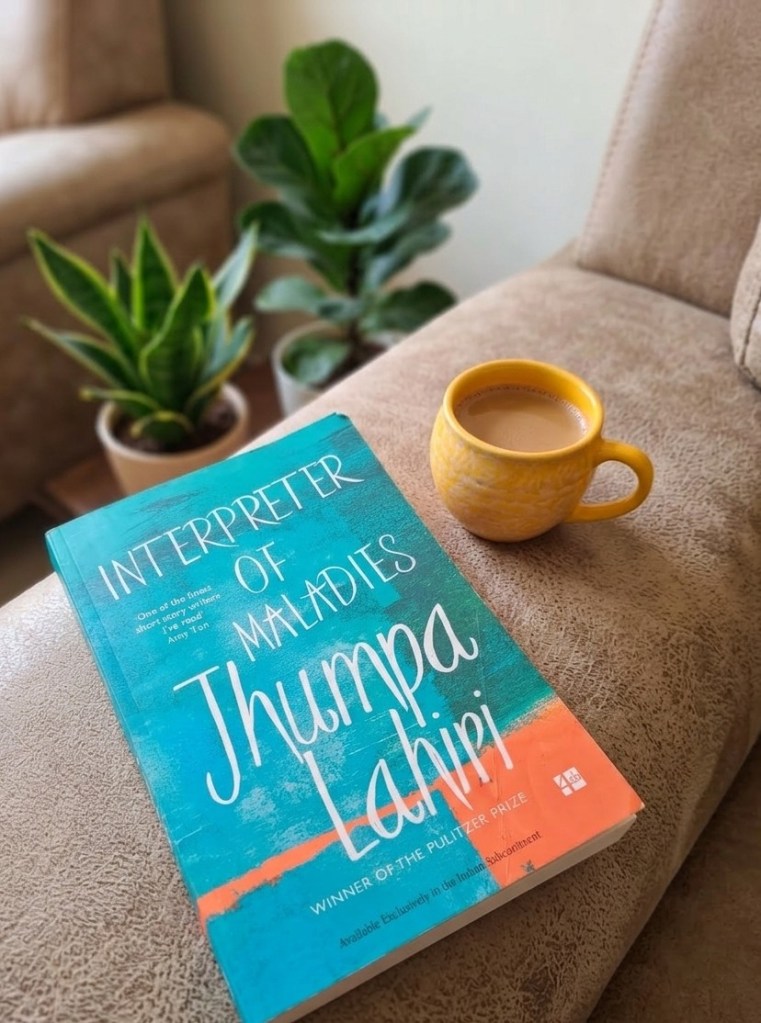
There are books that entertain, and then there are books that quietly observe life. Interpreter of Maladies belongs to the latter. It is the kind of book that does not rush its storytelling but instead unfolds the subtle emotions that exist within families, relationships, and everyday human encounters.
This anthology brings together nine short stories, each exploring different characters and situations. What binds them together is the delicate portrayal of human emotions, particularly the silent struggles people carry within themselves.
A Window Into Different Lives
Each story feels like opening the door to another household. Lahiri introduces ordinary people who carry quiet dilemmas, unresolved relationships, and emotional complexities that often remain hidden beneath everyday routines.
Many of the stories evoke the atmosphere of obsolete or bygone years, where family structures, cultural expectations, and personal relationships follow rhythms different from the fast-moving present. Several settings mention Kolkata, grounding the narratives in cultural memory and lived experiences.
For readers who enjoy stories rooted in social and cultural observations, the book offers a fascinating glimpse into the private worlds of individuals and families.
Stories That Reveal Quiet Conflicts
The anthology includes memorable narratives that slowly uncover the emotional tensions within people’s lives.
In one story, a day of power cut becomes the backdrop for a gathering where hidden feelings begin to surface. What begins as a routine evening gradually turns into a moment of unexpected confessions.
In the title story, an interpreter becomes the listener to a stranger’s personal confession, transforming an ordinary interaction into something emotionally complex. Through this conversation, Lahiri explores the fragile nature of trust, communication, and human misunderstanding.
Other stories explore themes such as broken loyalty, an unexpected pregnancy, loneliness within marriage, and the emotional distance that sometimes grows within families.
What makes these stories powerful is their simplicity. Lahiri does not rely on dramatic twists or exaggerated conflict. Instead, she captures the quiet emotional undercurrents that exist within ordinary lives.
The Maladies of Everyday Life
The word “maladies” in the title does not refer to physical illness alone. Instead, it reflects the emotional struggles people carry within themselves.
Loneliness, longing, guilt, misunderstandings, and cultural displacement appear repeatedly throughout the anthology. These are not extraordinary tragedies but the subtle tensions that shape everyday human relationships.
Lahiri’s strength lies in her ability to capture these emotional realities with remarkable restraint. Her writing is gentle, reflective, and deeply observant.
A Slow and Thoughtful Reading Experience
At around 200 pages, the book is not lengthy, yet it invites a slow reading pace. Each story unfolds gradually, encouraging readers to pause and reflect on the characters and their circumstances.
For readers accustomed to fast-paced narratives, the rhythm may feel quiet and deliberate. However, this measured pace is part of Lahiri’s storytelling style. Her stories linger in small details, gestures, and conversations.
Sometimes the stories end just when they begin to feel expansive, leaving the reader with lingering thoughts about what might follow. This sense of incompleteness is intentional, reflecting the unfinished nature of many real-life stories.
Why This Book Stays With the Reader
Even for readers who do not usually gravitate toward anthologies, Interpreter of Maladies offers something distinctive. Each story stands on its own, yet collectively they create a portrait of human relationships shaped by culture, migration, memory, and personal longing.
The book reminds us that some of the most powerful narratives are not dramatic events but the quiet emotional realities unfolding within ordinary lives.
It is a book that encourages reflection. The stories do not simply end on the page; they continue in the reader’s thoughts long after the final story is finished.
About the Author
Jhumpa Lahiri is an Indian American writer known for her insightful exploration of identity, migration, family relationships, and cultural belonging. Born in London to Bengali parents and raised in the United States, Lahiri’s work often reflects the experiences of immigrant families navigating multiple cultural worlds.
Interpreter of Maladies, her debut short story collection, was widely praised for its nuanced portrayal of human relationships and won the Pulitzer Prize for Fiction.
Over the years, Lahiri has written novels, short stories, and essays that continue to explore themes of displacement, language, and personal identity. Her works are admired for their quiet emotional depth, precise language, and keen observations of everyday life.
Through her writing, Lahiri has established herself as one of the most distinctive literary voices in contemporary literature.
 Bookish Brewing
Leave a comment